From Viking shore to literary streets
As the bus rolls along the Liffey and through Georgian terraces, you’re travelling through layers of Dublin’s past: raiders, merchants, poets, and ordinary folk who shaped the city’s voice.
Table of Contents
Vikings, merchants, and the birth of Dublin
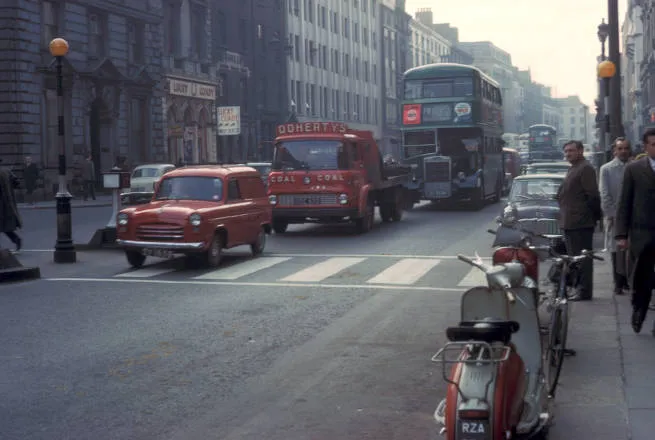
Long before the Georgian terraces and the neat rows of colourful doors, this river bend was prized by seafarers. Dublin’s earliest identity was as a small Viking settlement and trading place, where ships could tuck into the river and goods were exchanged for food, stories and coin. That practical beginning—boats, ropes, timber, and trade—shaped the city’s early lanes and remains visible in the layout of quays and harbours.
Over centuries the settlement grew into a medieval town of guilds and churches, later expanding into a Georgian city of squares and townhouses. Each layer left traces: old foundations beneath newer facades, a patchwork of streets that tells a story of adaptation and endurance. A bus loop through these parts makes that slow, readable change feel immediate.
Medieval lanes & the cathedral quarter
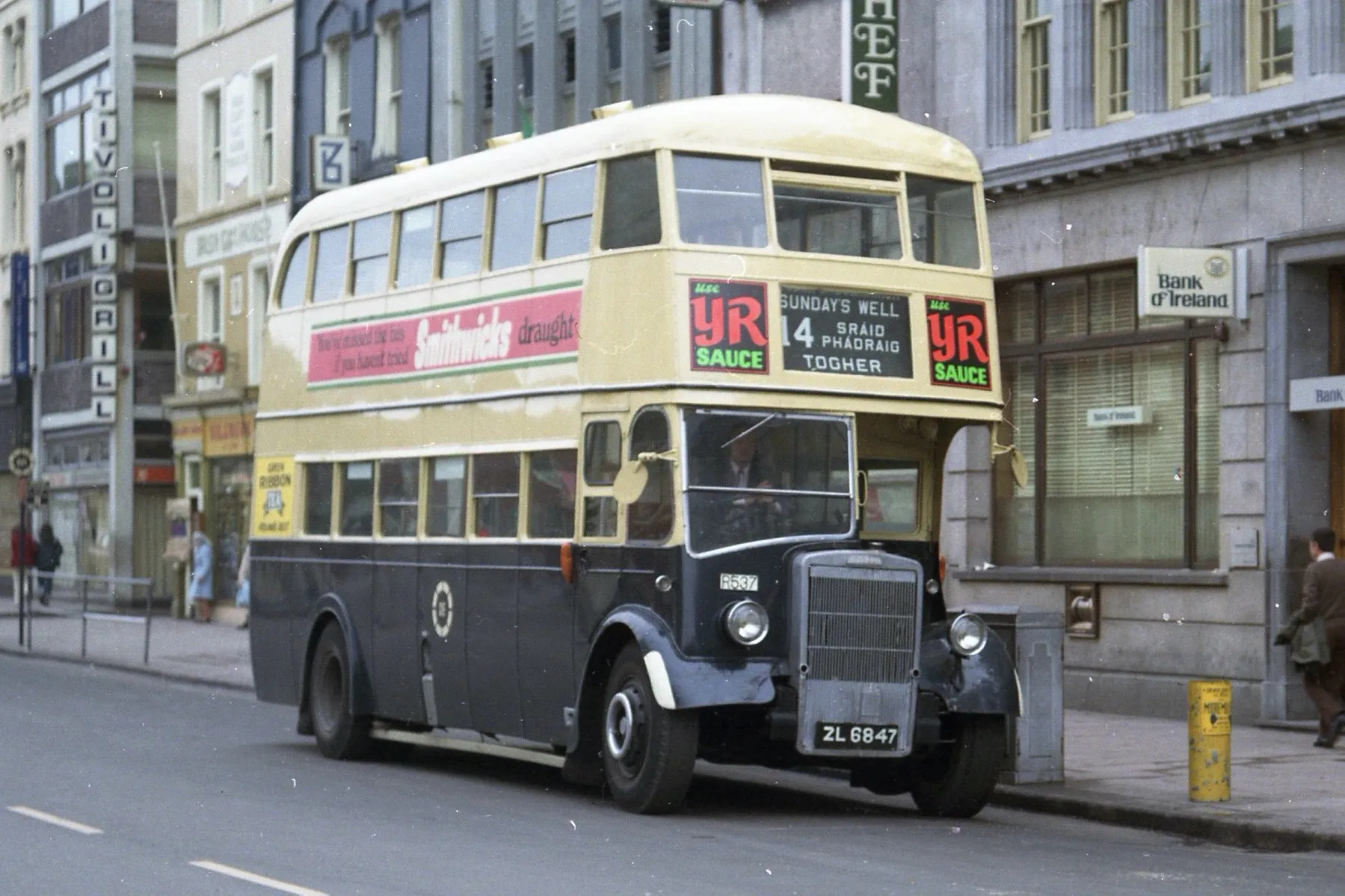
The cathedral quarter is where you feel Dublin’s age. Narrow lanes twist between stone churches and hidden courtyards; what survives of the medieval town is scattered and intimate. St. Patrick’s and Christchurch anchor this area, offering striking architecture and quiet corners where history feels tactile rather than abstract.
Hop off to explore small museums and cloistered grounds, and you’ll find stories of merchants and guilds, of daily life that was lived very differently yet with similar rhythms—work, worship, trade. These are the parts of the city that reveal the lived experience behind famous names.
Georgian Dublin: squares, doors & salons
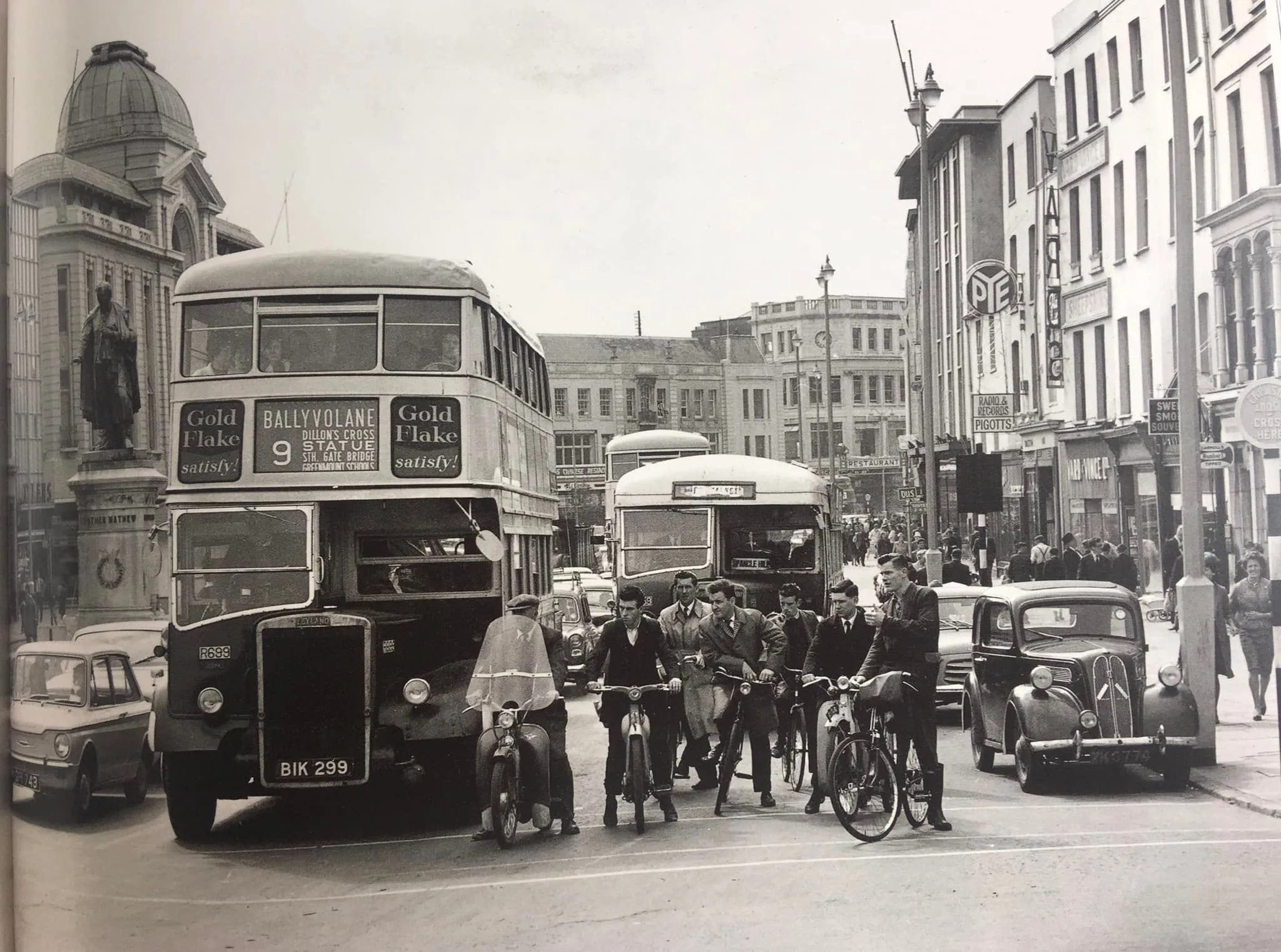
Georgian Dublin reshaped the city with its measured squares, terraced townhouses and elegant street plan. The polished doors you see on walking tours are only the surface of a culture of salons, literary gatherings, and civic ambition. Walk the squares and look for plaques—each commemorates a life, an argument, a comedy or a revolution.
Using the bus to hop between Merrion Square, Fitzwilliam and the university precincts gives you the sense of a city that carefully conserved its civic face while changing the way people lived inside those walls.
The docks, industry & the Liffey’s evolution
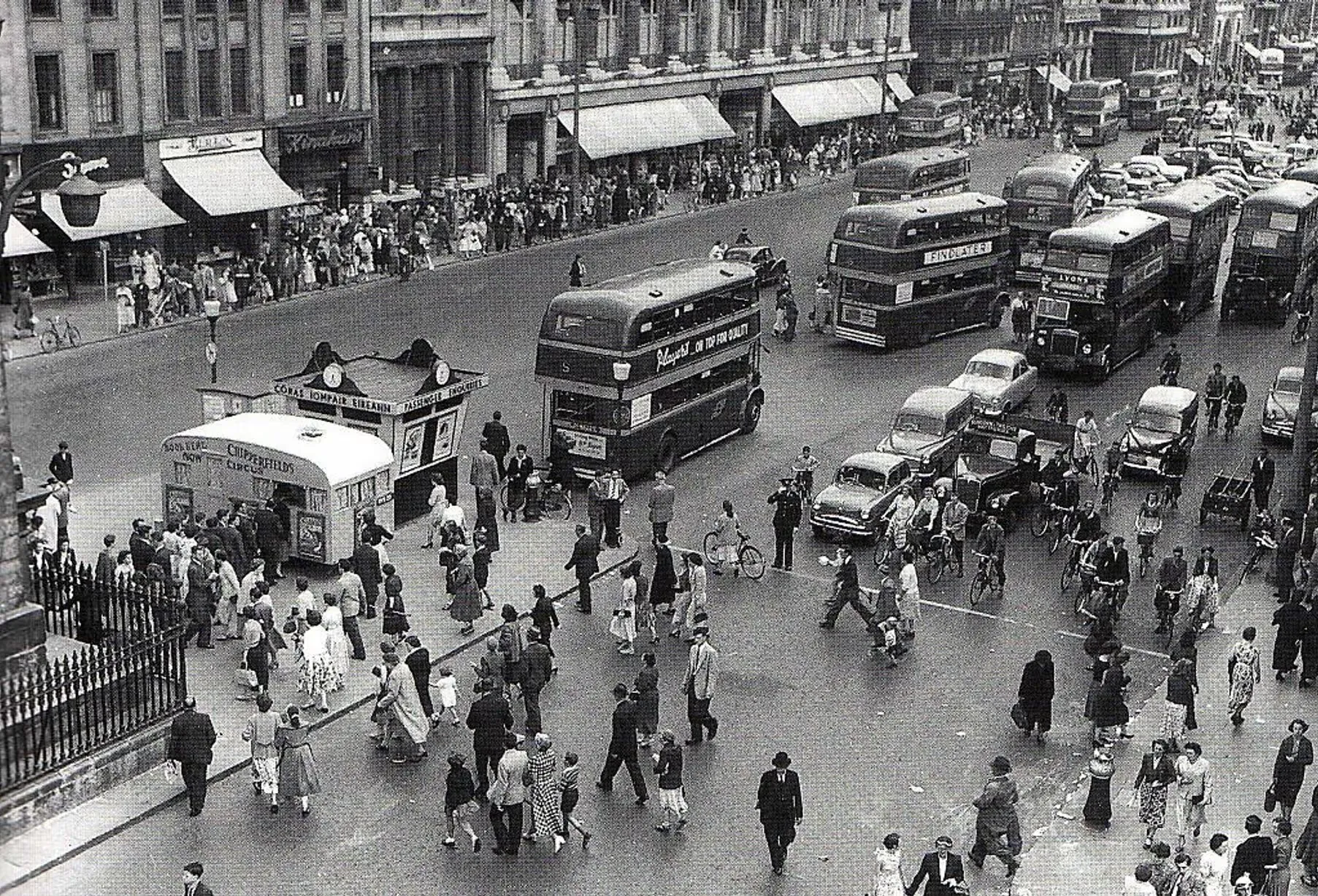
The Liffey has been Dublin’s working heart: ships, warehouses, tanners and cooperages once dominated these quays. Industry shaped not just the economy but the neighbourhoods—workers’ terraces, markets and late‑night cafés. In recent decades the Docklands have reinvented themselves with glass and cranes, yet echoes of the earlier life remain in reclaimed warehouses and maritime museums.
Hop off to see how regeneration can coexist with memory: old sheds turned into creative spaces, plaques marking lost industries, and promenades where dockworkers once hurried home.
Rebellion, independence & civic memory
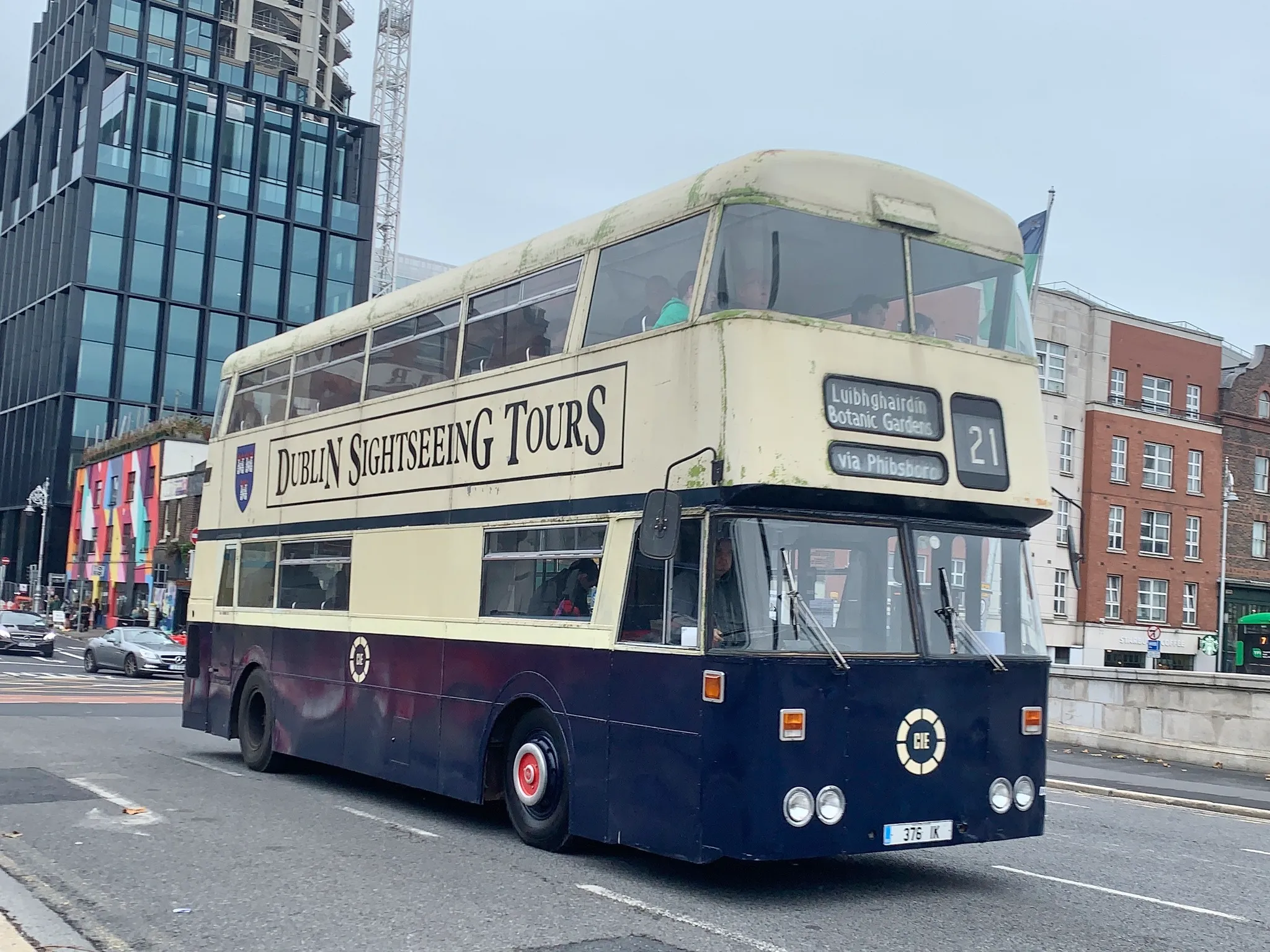
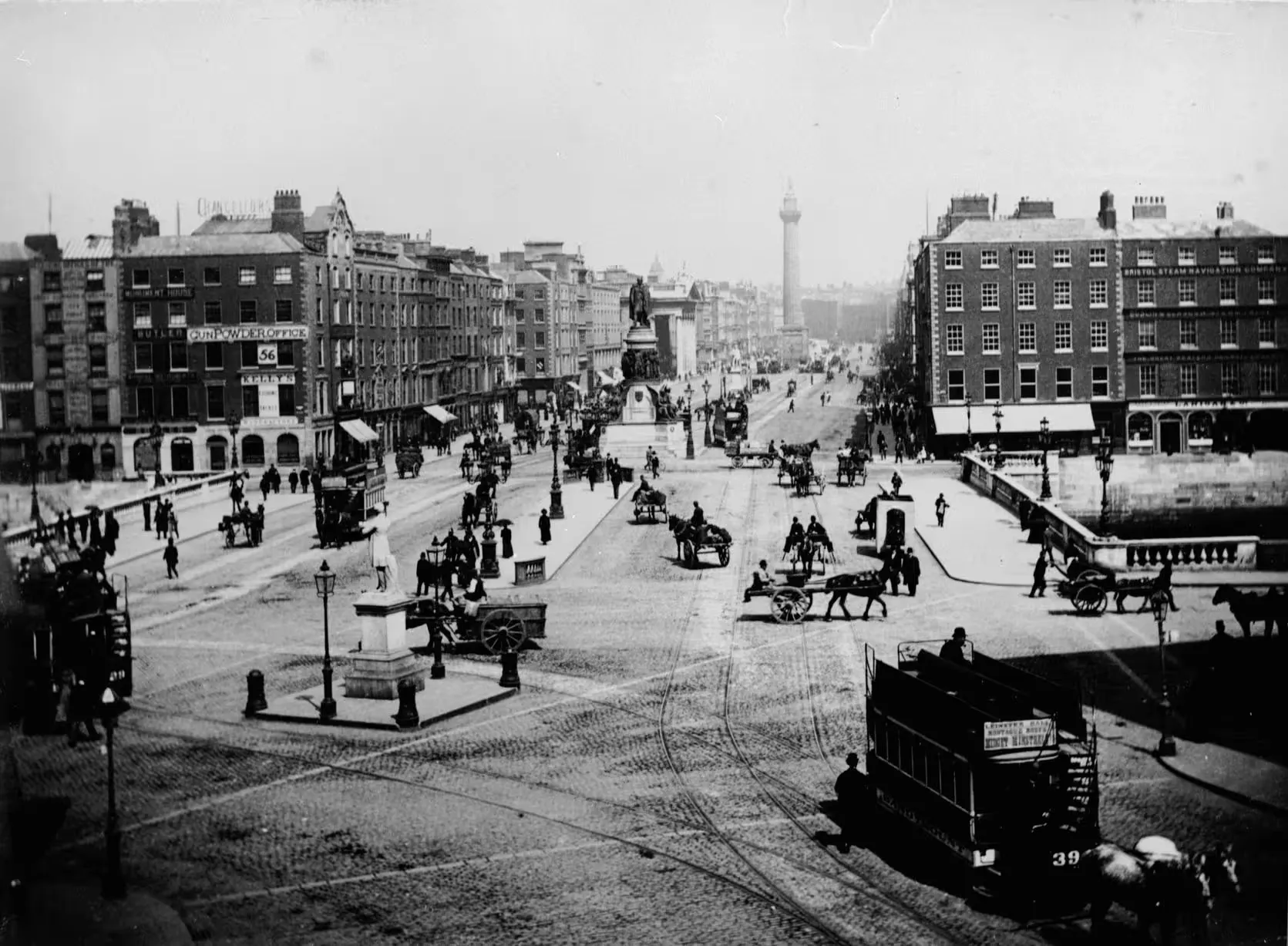
Dublin’s modern political life is visible in its streets: the General Post Office, O’Connell Street and surrounding sites hold the marks of uprisings, speeches and civic protest. Walking these streets or pausing at a stop, you’re following routes where history was argued loudly and sometimes fought for, and where the language of independence left permanent traces.
Visiting these sites invites reflection on how public memory is shaped—monuments, plaques and quiet rituals all keep the past present while life goes on around them.
Literature, pubs & the city’s storytellers
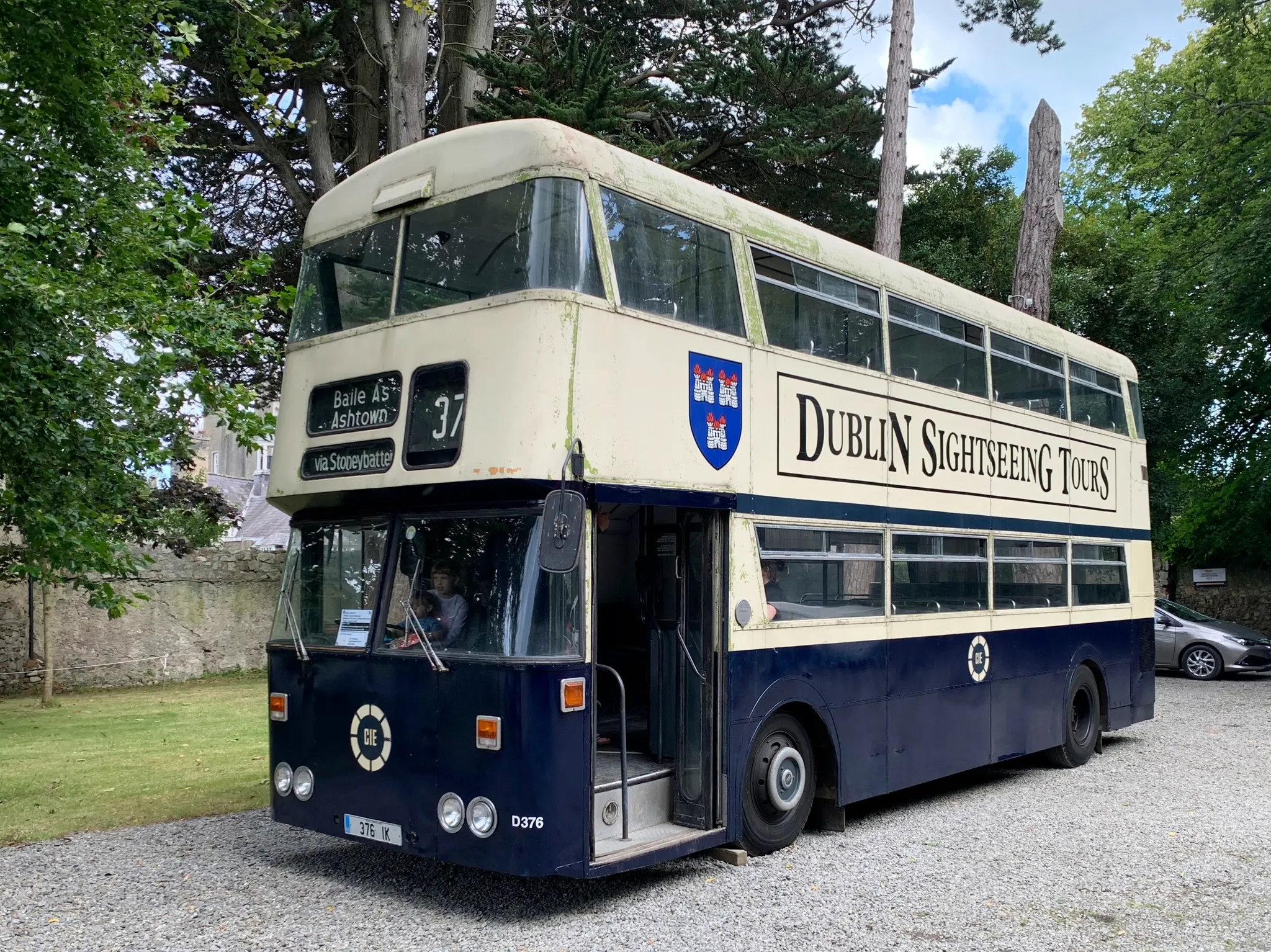
Dublin wears its writers proudly. From James Joyce’s alleys to the poets and playwrights who peopled its cafés and pubs, the city has always been a place of language and performance. Hop off for a literary tour, a museum, or simply to sit in a pub where conversation hums and the city’s oral history keeps renewing itself.
Pubs are stages as much as they are places to drink—music, storytelling, and meetings of minds happen in corners large and small. They are an essential part of understanding Dublin’s social life.
Parks, promenades & Dublin Bay
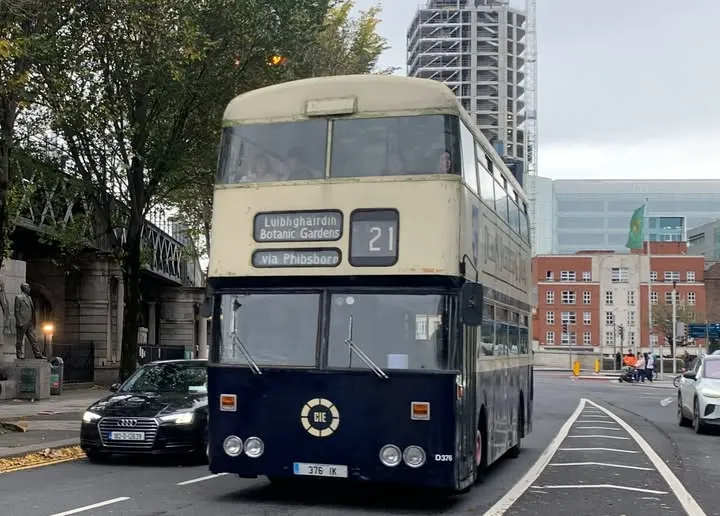
Phoenix Park is a quiet giant in the city—one of Europe’s largest enclosed parks—perfect for a slow break between museum visits. If your route includes coastal stops, a short trip to Howth offers cliff walks and seafood, while Dun Laoghaire’s pier provides a calming promenade and Victorian charm.
The bus makes these green and blue escapes straightforward, folding coastal air and open fields into a day otherwise spent among city streets.
Crowds, safety & inclusion
Dublin is generally welcoming and safe for visitors; usual city precautions are sensible—watch your belongings in busy areas and be aware during major events. Staff at official stops can advise on the best times and routes for quieter travel.
Accessibility is improving: many buses have low‑floor boarding and space for mobility aids, though pavements and older streets sometimes present challenges. If accessibility is essential, contact the operator to identify step‑free stops and suitable vehicles.
Festivals, music & city rituals
Dublin’s calendar is lively—St. Patrick’s Day, Bloomsday, music festivals and local markets often add unexpected colour to your route. If your visit coincides with an event, the bus may pass stages, parades or pop‑up markets that enliven the streets.
Even on ordinary days you’ll catch music seeping from doorways, street performers, and small public rituals: families picnicking, joggers along the Liffey, and coffee queues outside favourite cafés. These ordinary details make the city feel lived in.
Tickets, passes & smart planning
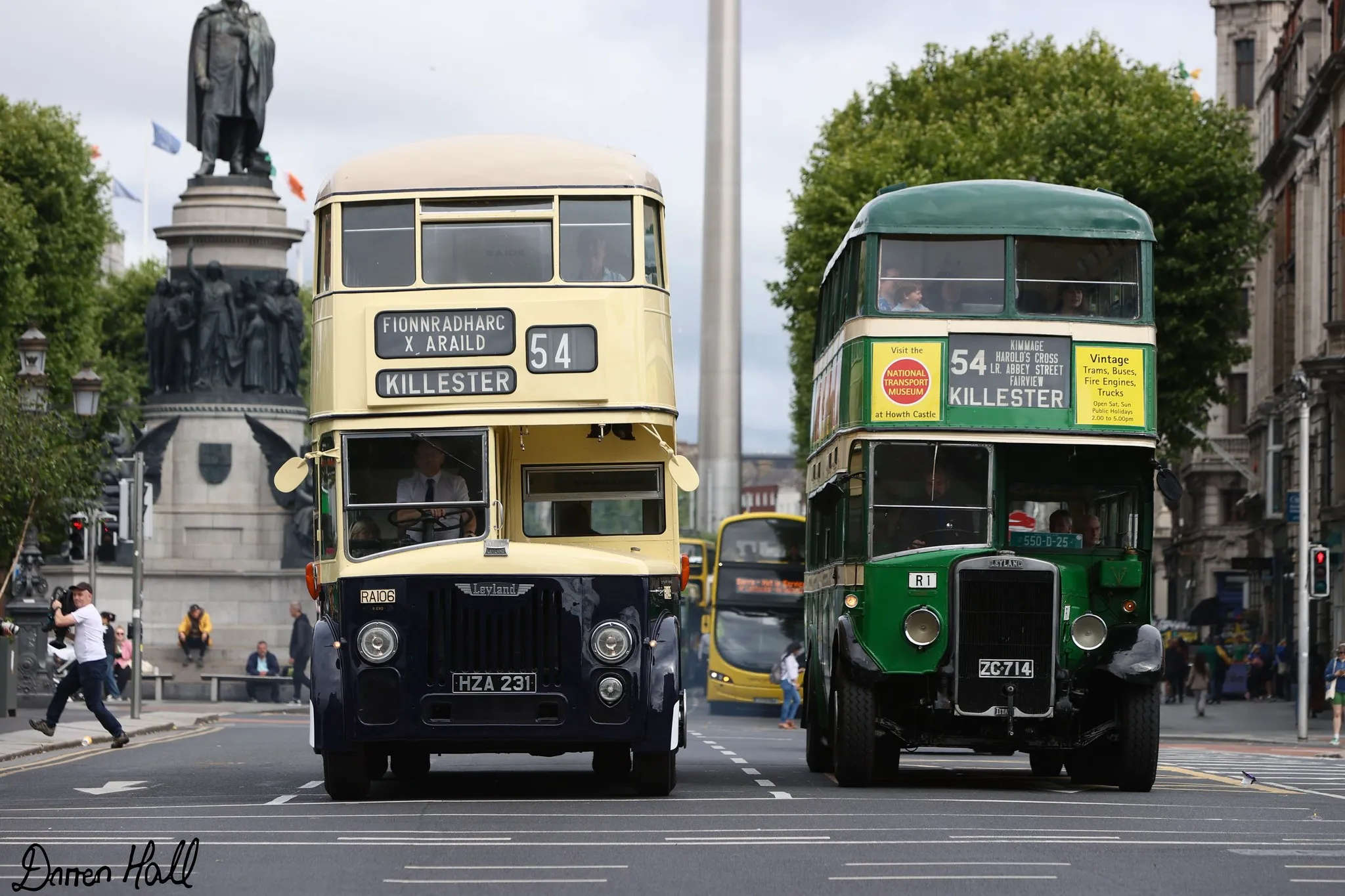
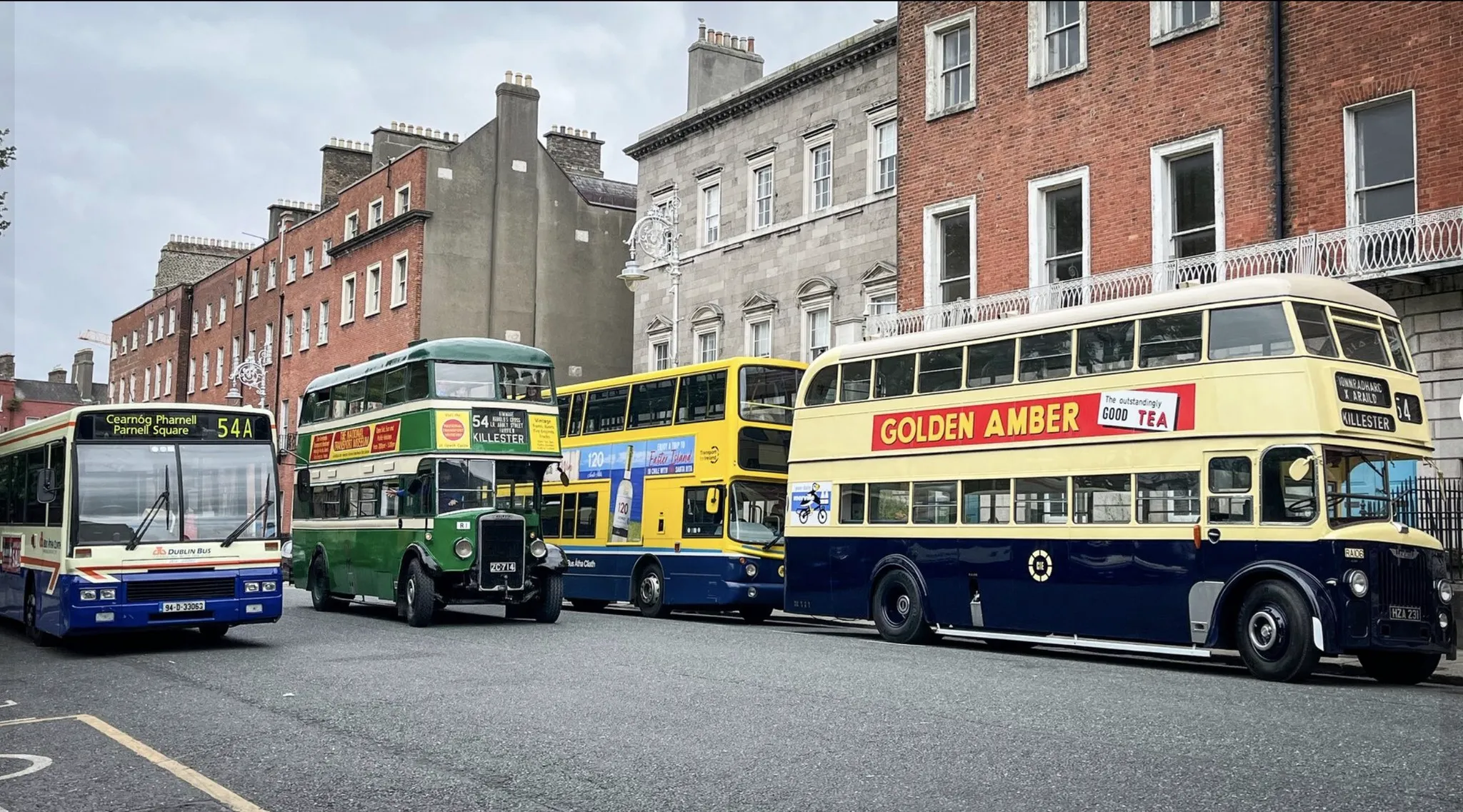
Plan with priorities in mind—do you want cultural landmarks, a culinary day, or a coastal walk? A one‑loop ticket gives orientation; a full‑day pass gives time to linger. Combo tickets that include attraction entries can save time and money, and reduce queuing.
Think about travel time between stops and the opening hours of attractions you’ll visit. If you’re keen on the Guinness Storehouse or Kilmainham Gaol, check timed entry slots and use the bus to move between them efficiently.
Heritage conservation in a bustling capital
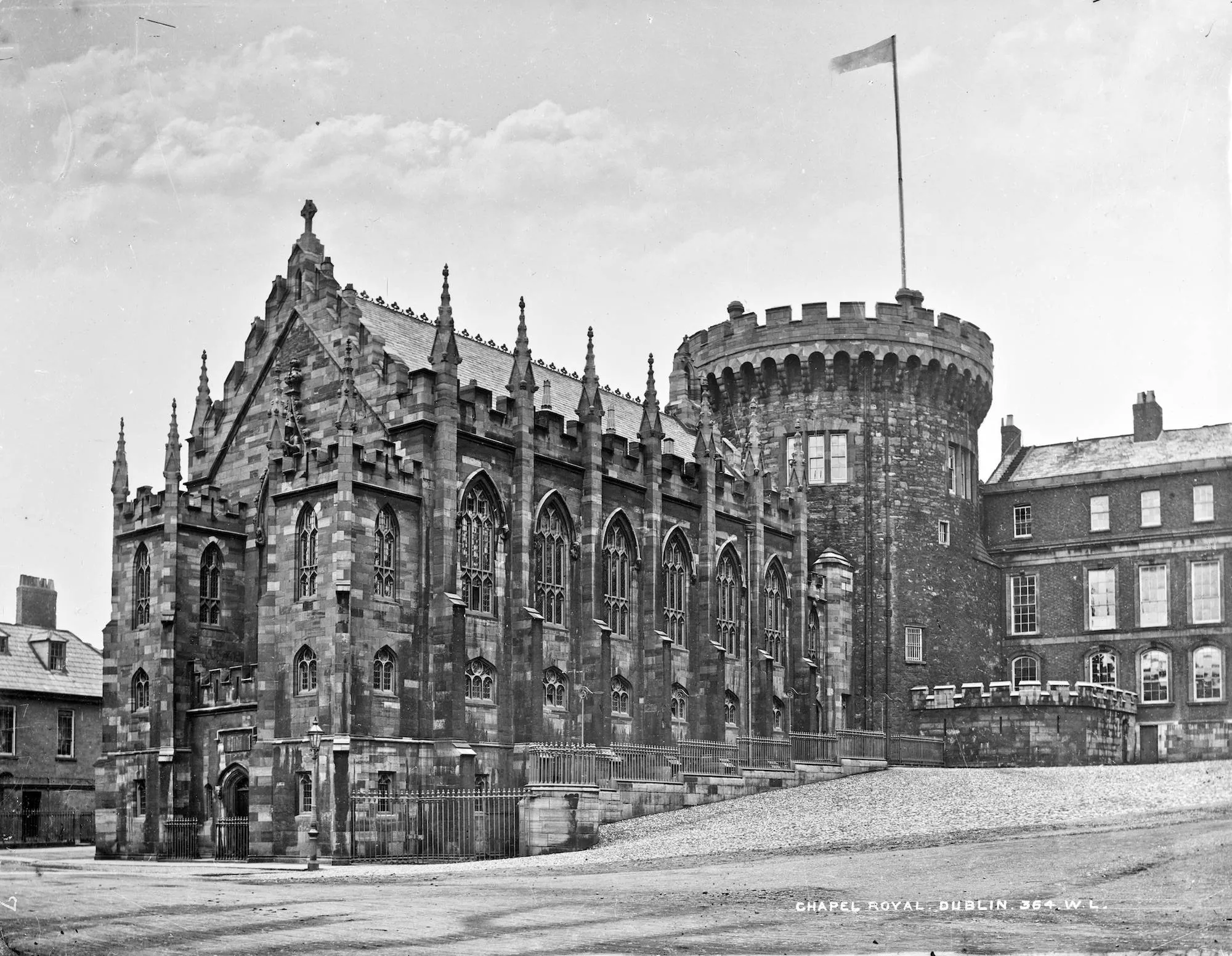
Conserving Dublin’s architectural and cultural heritage is an ongoing effort. Restoration projects, interpretive plaques and adaptive reuse of old buildings are all part of a city that balances memory with contemporary needs.
By choosing official tours, paying entry fees and respecting sites, visitors support the work that keeps Dublin’s streets and buildings in good repair for future generations.
Coastal escapes: Howth & Dun Laoghaire
If your ticket includes coastal or suburban stops, you can add a refreshing change of pace—Howth’s cliff paths reward short walks with sea views and fresh seafood, while Dun Laoghaire’s pier invites relaxed promenades and paddle‑board watching.
These short side trips offer a different mood from the city—salt air, gulls and a slower tempo that complements the urban discoveries of the day.
Why a bus ride reveals Dublin’s character
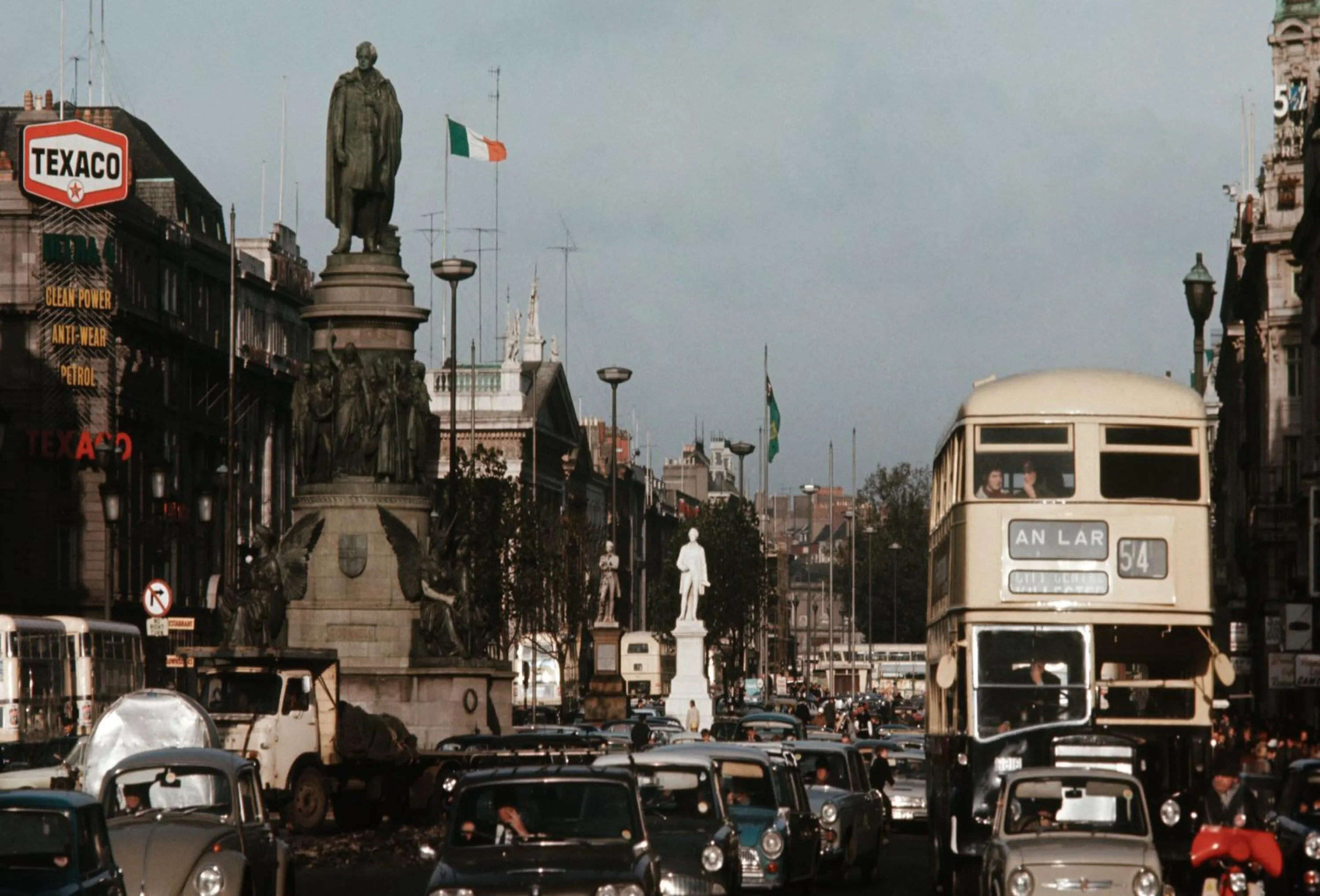
A hop‑on hop‑off bus is practical, but in Dublin it also becomes a gentle storyteller. The route moves you through layers—Viking roots at the quays, medieval lanes, Georgian calm, industrial docks and modern regeneration—all in the space of a few hours.
By the end of the day you’ll have a sense of how Dublin thinks: a mixture of humour, resilience, and a love of language. Use the bus as a scaffold—hop off to listen, walk, and linger—and you’ll leave with memories stitched from streetside conversations, a favourite corner pub, and small discoveries that feel like personal recommendations.
Table of Contents
Vikings, merchants, and the birth of Dublin
Long before the Georgian terraces and the neat rows of colourful doors, this river bend was prized by seafarers. Dublin’s earliest identity was as a small Viking settlement and trading place, where ships could tuck into the river and goods were exchanged for food, stories and coin. That practical beginning—boats, ropes, timber, and trade—shaped the city’s early lanes and remains visible in the layout of quays and harbours.
Over centuries the settlement grew into a medieval town of guilds and churches, later expanding into a Georgian city of squares and townhouses. Each layer left traces: old foundations beneath newer facades, a patchwork of streets that tells a story of adaptation and endurance. A bus loop through these parts makes that slow, readable change feel immediate.
Medieval lanes & the cathedral quarter
The cathedral quarter is where you feel Dublin’s age. Narrow lanes twist between stone churches and hidden courtyards; what survives of the medieval town is scattered and intimate. St. Patrick’s and Christchurch anchor this area, offering striking architecture and quiet corners where history feels tactile rather than abstract.
Hop off to explore small museums and cloistered grounds, and you’ll find stories of merchants and guilds, of daily life that was lived very differently yet with similar rhythms—work, worship, trade. These are the parts of the city that reveal the lived experience behind famous names.
Georgian Dublin: squares, doors & salons
Georgian Dublin reshaped the city with its measured squares, terraced townhouses and elegant street plan. The polished doors you see on walking tours are only the surface of a culture of salons, literary gatherings, and civic ambition. Walk the squares and look for plaques—each commemorates a life, an argument, a comedy or a revolution.
Using the bus to hop between Merrion Square, Fitzwilliam and the university precincts gives you the sense of a city that carefully conserved its civic face while changing the way people lived inside those walls.
The docks, industry & the Liffey’s evolution
The Liffey has been Dublin’s working heart: ships, warehouses, tanners and cooperages once dominated these quays. Industry shaped not just the economy but the neighbourhoods—workers’ terraces, markets and late‑night cafés. In recent decades the Docklands have reinvented themselves with glass and cranes, yet echoes of the earlier life remain in reclaimed warehouses and maritime museums.
Hop off to see how regeneration can coexist with memory: old sheds turned into creative spaces, plaques marking lost industries, and promenades where dockworkers once hurried home.
Rebellion, independence & civic memory
Dublin’s modern political life is visible in its streets: the General Post Office, O’Connell Street and surrounding sites hold the marks of uprisings, speeches and civic protest. Walking these streets or pausing at a stop, you’re following routes where history was argued loudly and sometimes fought for, and where the language of independence left permanent traces.
Visiting these sites invites reflection on how public memory is shaped—monuments, plaques and quiet rituals all keep the past present while life goes on around them.
Literature, pubs & the city’s storytellers
Dublin wears its writers proudly. From James Joyce’s alleys to the poets and playwrights who peopled its cafés and pubs, the city has always been a place of language and performance. Hop off for a literary tour, a museum, or simply to sit in a pub where conversation hums and the city’s oral history keeps renewing itself.
Pubs are stages as much as they are places to drink—music, storytelling, and meetings of minds happen in corners large and small. They are an essential part of understanding Dublin’s social life.
Parks, promenades & Dublin Bay
Phoenix Park is a quiet giant in the city—one of Europe’s largest enclosed parks—perfect for a slow break between museum visits. If your route includes coastal stops, a short trip to Howth offers cliff walks and seafood, while Dun Laoghaire’s pier provides a calming promenade and Victorian charm.
The bus makes these green and blue escapes straightforward, folding coastal air and open fields into a day otherwise spent among city streets.
Crowds, safety & inclusion
Dublin is generally welcoming and safe for visitors; usual city precautions are sensible—watch your belongings in busy areas and be aware during major events. Staff at official stops can advise on the best times and routes for quieter travel.
Accessibility is improving: many buses have low‑floor boarding and space for mobility aids, though pavements and older streets sometimes present challenges. If accessibility is essential, contact the operator to identify step‑free stops and suitable vehicles.
Festivals, music & city rituals
Dublin’s calendar is lively—St. Patrick’s Day, Bloomsday, music festivals and local markets often add unexpected colour to your route. If your visit coincides with an event, the bus may pass stages, parades or pop‑up markets that enliven the streets.
Even on ordinary days you’ll catch music seeping from doorways, street performers, and small public rituals: families picnicking, joggers along the Liffey, and coffee queues outside favourite cafés. These ordinary details make the city feel lived in.
Tickets, passes & smart planning
Plan with priorities in mind—do you want cultural landmarks, a culinary day, or a coastal walk? A one‑loop ticket gives orientation; a full‑day pass gives time to linger. Combo tickets that include attraction entries can save time and money, and reduce queuing.
Think about travel time between stops and the opening hours of attractions you’ll visit. If you’re keen on the Guinness Storehouse or Kilmainham Gaol, check timed entry slots and use the bus to move between them efficiently.
Heritage conservation in a bustling capital
Conserving Dublin’s architectural and cultural heritage is an ongoing effort. Restoration projects, interpretive plaques and adaptive reuse of old buildings are all part of a city that balances memory with contemporary needs.
By choosing official tours, paying entry fees and respecting sites, visitors support the work that keeps Dublin’s streets and buildings in good repair for future generations.
Coastal escapes: Howth & Dun Laoghaire
If your ticket includes coastal or suburban stops, you can add a refreshing change of pace—Howth’s cliff paths reward short walks with sea views and fresh seafood, while Dun Laoghaire’s pier invites relaxed promenades and paddle‑board watching.
These short side trips offer a different mood from the city—salt air, gulls and a slower tempo that complements the urban discoveries of the day.
Why a bus ride reveals Dublin’s character
A hop‑on hop‑off bus is practical, but in Dublin it also becomes a gentle storyteller. The route moves you through layers—Viking roots at the quays, medieval lanes, Georgian calm, industrial docks and modern regeneration—all in the space of a few hours.
By the end of the day you’ll have a sense of how Dublin thinks: a mixture of humour, resilience, and a love of language. Use the bus as a scaffold—hop off to listen, walk, and linger—and you’ll leave with memories stitched from streetside conversations, a favourite corner pub, and small discoveries that feel like personal recommendations.